Łódź
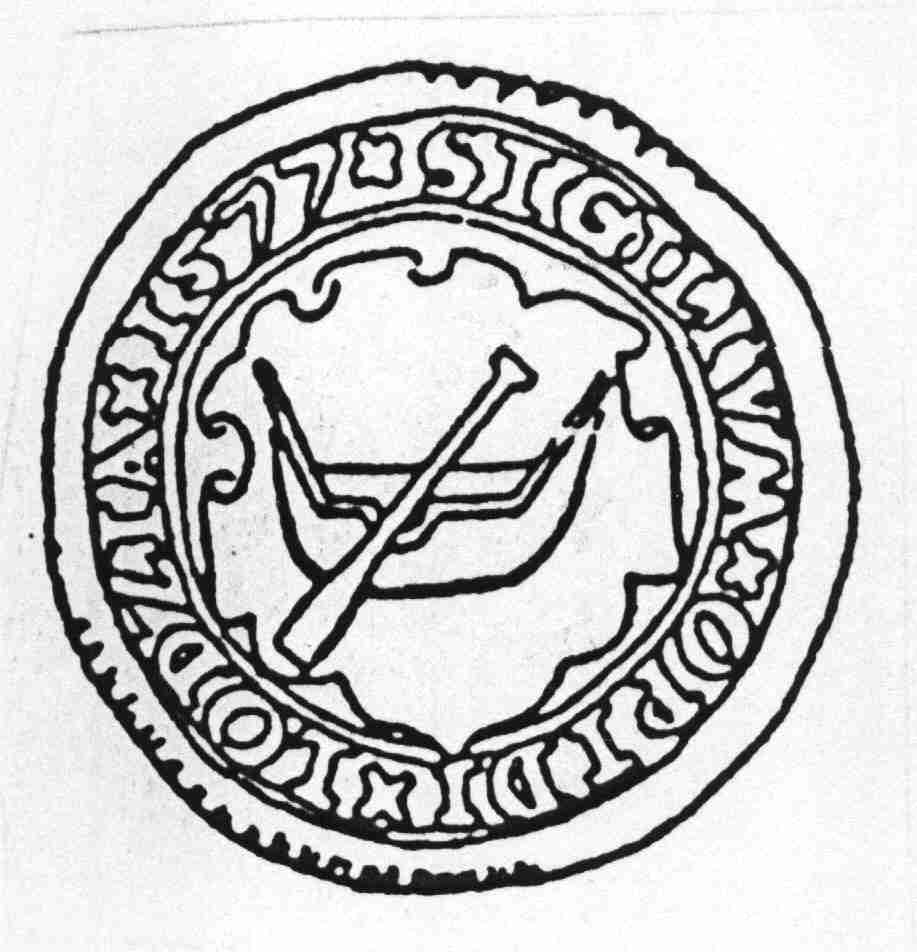 Łódź ;
** American English: ;
** .
* Other names:
** or , both ;
** .}} is a city in central Poland and a former industrial centre. It is the capital of Łódź Voivodeship, and is located south-west of Warsaw. Łódź has a population of 645,693, making it the country's fourth largest city.
Łódź ;
** American English: ;
** .
* Other names:
** or , both ;
** .}} is a city in central Poland and a former industrial centre. It is the capital of Łódź Voivodeship, and is located south-west of Warsaw. Łódź has a population of 645,693, making it the country's fourth largest city.Łódź first appears in records in the 14th century. It was granted town rights in 1423 by the Polish King Władysław II Jagiełło and it remained a private town of the Kuyavian bishops and clergy until the late 18th century. In the Second Partition of Poland in 1793, Łódź was annexed to Prussia before becoming part of the Napoleonic Duchy of Warsaw; the city joined Congress Poland, a Russian client state, at the 1815 Congress of Vienna. The Second Industrial Revolution (from 1850) brought rapid growth in textile manufacturing and in population owing to the inflow of migrants, a sizable part of which were Jews and Germans. Ever since the industrialization of the area, the city had been multinational and struggled with social inequalities, as documented in the novel ''The Promised Land'' by Nobel Prize–winning author Władysław Reymont. The contrasts greatly reflected on the architecture of the city, where luxurious mansions coexisted with red-brick factories and dilapidated tenement houses.
The industrial development and demographic surge made Łódź one of the largest cities in Poland. During the interwar period, Łódź became an important center for the Polish artistic avant-garde. Founded in 1931, Muzeum Sztuki became the first museum in Europe dedicated to collecting and showcasing modern art. Under the German occupation during World War II, the city's population was persecuted and its large Jewish minority was forced into a walled zone known as the Litzmannstadt Ghetto, after the Nazi German renaming of the city, from where they were sent to German concentration and extermination camps. The city became Poland's temporary seat of power in 1945.
Łódź experienced a sharp demographic and economic decline after 1989. It was only in the 2010s that the city began to experience revitalization of its neglected downtown area. Łódź is ranked by the Globalization and World Cities Research Network on the "Sufficiency" level of global influence. The city is internationally known for its National Film School, a cradle for the most renowned Polish actors and directors, including Andrzej Wajda and Roman Polański. In 2017, the city was inducted into the UNESCO Creative Cities Network and named UNESCO City of Film. Provided by Wikipedia
1
Published 1935
“...Deutsches Zentralwahlkomitee in Lodz...”
Archiv
2
Published 1928
“...Deutscher Lehrerverein (Lodz)...”
Archiv
3
4
Published 1955
“...Sankt Johannis-Kirche <Lodz>...”
Archiv
5
Published 1937
“...Turnverein "Kraft" Lodz. Frauengruppe...”
Archiv
6
Published 1934
“...Deutsches Reich. Konsulat Łódź...”
Archiv
7
8
9
10
Published 1931
“...Spadkobiercy Juljusza Jarischa (Lodz)...”
Archiv
11
12
13
14
15
16
Published 1941
“...Technisches Bureau Adolf Richter (Lodz)...”
Archiv
17
18
19
Published 1940
“...Deutsches Mädchengymnasium A. Rothert (Lodz)...”
Archiv
20
Published 1940
“...Deutsches Mädchengymnasium A. Rothert (Lodz)...”
Archiv