
Your search - Hlond, August - did not match any resources.
August Hlond
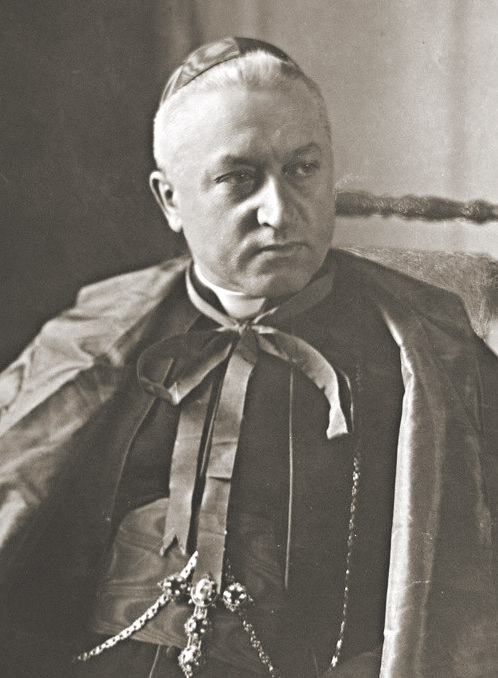 August Józef Hlond, SDB (5 July 1881 – 22 October 1948) was a Polish Salesian prelate of the Catholic Church who served as Archbishop of Poznań and Gniezno from 1926 to 1946 and as Archbishop of Gniezno and Warsaw from 1946 until his death. He was the Primate of Poland from 1926 to 1948 and was elevated to the rank of cardinal by Pope Pius XI in 1927. As the highest-ranking Catholic leader in interwar and postwar Poland, Hlond played a pivotal role in guiding the Polish Church through the tumultuous periods of the Second Polish Republic, the Nazi occupation during World War II, and the early years of the communist regime.
Hlond's ecclesiastical career was marked by his efforts to strengthen the Catholic Church in Poland amid political upheaval. He founded the Society of Christ for Polish Emigrants in 1932 to support Polish diaspora communities. During World War II, he was the only member of the College of Cardinals arrested by the Gestapo, enduring imprisonment from 1944 to 1945. In exile earlier in the war, he reported Nazi atrocities against Poles and Jews to the Vatican and the world via radio broadcasts. Postwar, he criticized the Soviet-backed communist government, clashing with authorities over church autonomy and education.
Hlond's legacy is complex and controversial. While praised for his pastoral leadership and anti-communist stance, he has been criticized for antisemitic statements in a 1936 pastoral letter and his response to postwar anti-Jewish violence, such as the Kielce pogrom. His actions in removing ethnic German bishops from Polish-administered territories after the war have also drawn scrutiny. The cause for his beatification and canonization opened in 1992, and he was declared Venerable by Pope Francis in 2018. As of December 2025, the process remains ongoing, with no miracle yet attributed to his intercession for beatification.
Provided by Wikipedia
August Józef Hlond, SDB (5 July 1881 – 22 October 1948) was a Polish Salesian prelate of the Catholic Church who served as Archbishop of Poznań and Gniezno from 1926 to 1946 and as Archbishop of Gniezno and Warsaw from 1946 until his death. He was the Primate of Poland from 1926 to 1948 and was elevated to the rank of cardinal by Pope Pius XI in 1927. As the highest-ranking Catholic leader in interwar and postwar Poland, Hlond played a pivotal role in guiding the Polish Church through the tumultuous periods of the Second Polish Republic, the Nazi occupation during World War II, and the early years of the communist regime.
Hlond's ecclesiastical career was marked by his efforts to strengthen the Catholic Church in Poland amid political upheaval. He founded the Society of Christ for Polish Emigrants in 1932 to support Polish diaspora communities. During World War II, he was the only member of the College of Cardinals arrested by the Gestapo, enduring imprisonment from 1944 to 1945. In exile earlier in the war, he reported Nazi atrocities against Poles and Jews to the Vatican and the world via radio broadcasts. Postwar, he criticized the Soviet-backed communist government, clashing with authorities over church autonomy and education.
Hlond's legacy is complex and controversial. While praised for his pastoral leadership and anti-communist stance, he has been criticized for antisemitic statements in a 1936 pastoral letter and his response to postwar anti-Jewish violence, such as the Kielce pogrom. His actions in removing ethnic German bishops from Polish-administered territories after the war have also drawn scrutiny. The cause for his beatification and canonization opened in 1992, and he was declared Venerable by Pope Francis in 2018. As of December 2025, the process remains ongoing, with no miracle yet attributed to his intercession for beatification.
Provided by Wikipedia